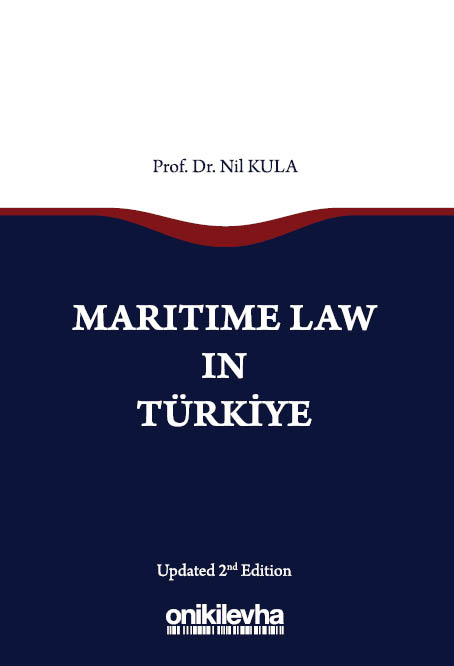
Yazar: Nil Kula
On İki Levha Yayıncılık
xvii + 325 Sayfa
ISBN: 978-625-5823-80-9
Boyut: 16.0 x 23.5
Karton Kapak – 1.Hamur
2025
Yazar: Nil Kula
On İki Levha Yayıncılık
xvii + 325 Sayfa
ISBN: 978-625-5823-80-9
Boyut: 16.0 x 23.5
Karton Kapak – 1.Hamur
2025
‘Maritime Law in Türkiye’ aims to establish the general framework on the essentials of Turkish maritime law such as ‘ship’, ‘related persons’ and ‘related contracts’. The ‘ship’ which is the main subject of maritime law, is examined in accordance with the related articles of TCC. Within this scope, the legal importance of the ship is examined through several aspects such as definition of ‘ship’, parts of ship, classification of ship, legal nature of ship together with its loss, and discriminating facts of ship. In addition, ship registers, acquisition-loss of ship ownership, ship mortgage and maritime liens are also examined in the book. The owner, who is surely the most important actor of maritime law, is examined in terms of the definition placed under TCC to define him and liabilities attributed to him, including limited liability. Additionally, shipping partnership, bareboat charterer, time charterer, voyage charterer, master and seamen are also examined in the book. The carrier, whose liabilities have been subject to numerous academic writings and legislative studies, is examined under related international conventions and TCC in terms of his rights and especially his liabilities. Furthermore, some of the transport intermediaries such as freight forwarder, agency and broker, and actors from the cargo side such as shipper, consignor and consignee are also examined in the book. ‘Maritime contracts’ combine the main subject of maritime law, namely the ship and the main actors of maritime law. Thus, frequently used maritime contracts such as bareboat charter contract, time charter contract and contract of affreightment are examined in accordance with the related articles of TCC. Especially, contract of affreightment is examined in terms of its classification, execution and termination. In conjunction with these contracts, maritime documents such as bill of lading and other transport documents are also examined. Lastly, special articles of TCC governing marine accidents such as general average, collision and salvage are examined in the book. (Arka Kapaktan)
§1. Introduction
Part I – General Overview on Maritime Law in Türkiye
§2. Classification of Law of the Sea
§3. Uniformity of Maritime Law
§4. Management of Maritime Transportation
§5. Sources of Maritime Law
I. Related International Conventions and TCC
II. Related Codes
III. Related By-laws and Regulations
Part II – Main Subject of Maritime Law: Ship
§6. Legal Importance of Ship
I. Definition of ‘Ship’
II. Parts of Ship
III. Classification of Ship
IV. Legal Nature of Ship and Its Loss
V. Discriminating Facts of Ship
§7. Ship Registers
I. Turkish National Ship Register
II. Turkish International Ship Register
III. Register for Ships under Construction
IV. Home Port Log
§8. Ship Ownership
I. Acquisition of Ownership
II. Loss of Ownership
§9. Ship Mortgage
I. Creation
II. Types of Ship Mortgage
III. Scope of the Ship Mortgage
IV. Amount of the Secured Claim
V. Termination
§10. Maritime Liens
I. Maritime Claims
II. Property Subject to Maritime Liens
III. Scope of Security
IV. Priority of Maritime Liens
V. Assignment and Subrogation
VI. Termination
Part III – Main Actors of Turkish Maritime Law
§11. Owner
I. Definition of Owner
II. Liabilities of Owner
III. Limited Liability of Owner
§12. Shipping Participation
I. Formation
II. Management
III. Termination
§13. Charterers
§14. Master
I. Duties of the Master
II. Authorities of the Master
III. Liabilities of the Master
§15. Seamen
§16. Carrier
I. Maritime Carrier under International Conventions
II. Maritime Carrier under TCC
§17. Transport Intermediaries
I. Freight Forwarder
II. Agency
III. Broker
§18. Cargo Interests
Part IV – Maritime Contracts and Related Documents
§19. Bareboat Charter Contract
I. Form of the Contract
II. Parties of the Contract
III. Rights and Obligations of the Parties
IV. Time Bar
§20. Time Charter Contract
I. Form of the Contract
II. Parties of the Contract
III. Rights and Obligations of the Parties
IV. Time Bar
§21. Contract of Affreightment
I. Classification: Voyage Charter Contract vs. Contract of Carriage
II. Form of the Contract
III. Execution of the Contract of Affreightment
IV. Finalization of the Contract of Affreightment
V. Time Bar
§22. Bill of Lading
I. Functions of Bill of Lading
II. Types of Bill of Lading
III. Presumptions that Stand under Bill of Lading
IV. Letter of Guarantee
V. Time Bar
§23. Other Transport Documents
Part V – Marine Accidents
§24. General Average
I. Definition and Components of General Average
II. Types of General Average
III. Debtors of General Average
IV. Adjustment of General Average
V. Time Bar
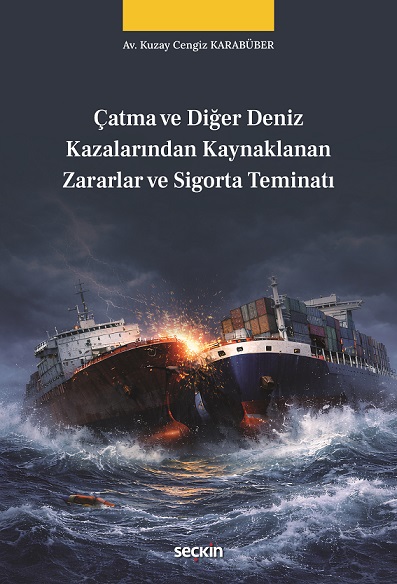
§25. Collision
I. Definition and Components of Collision
II. Types of Collision
III. Evidence of Collision
IV. Time Bar
§26. Salvage
I. Definition and Components of Salvage
II. Salvage Contract
III. Salvage Reward
IV. Special Compensation
V. Obligations of the Parties
VI. Salvage of Persons
VII. Time Bar
§27. Conclusion
-List of References
-ANNEXES





Yorumlar
İlk Yorumu Ekle